
How OpenAI and Google see AI changing go-to-market strategies
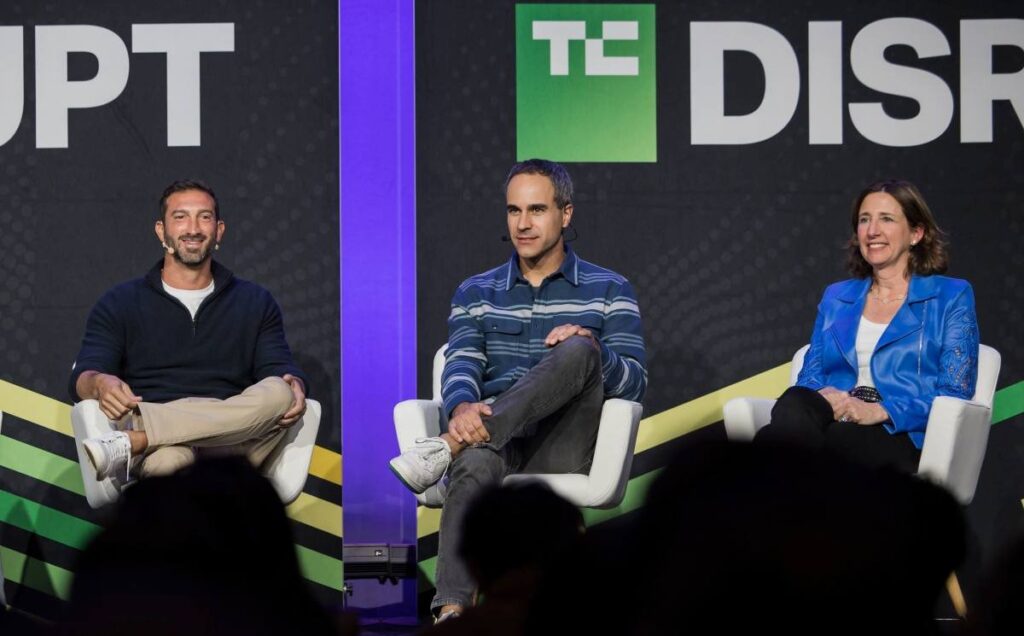
For many years, startups have relied on established playbooks when it was time to start selling their products. However, AI is now reshaping the way companies approach going to market. Max Altschuler from GTMfund highlighted at a recent event that businesses can achieve more with fewer resources than ever before. Yet, the real challenge for founders and operators lies in balancing this advancement with the need for specialized domain expertise. Despite the buzz about startups recruiting developers skilled in AI to tackle typical go-to-market challenges, there remains a crucial requirement for a foundational understanding of proven marketing strategies. Altschuler emphasized the value of having knowledgeable advisors to guide learning around these traditional tactics, which still hold significant relevance today.
Alison Wagonfeld from Google Cloud stressed that effective marketing remains an art requiring both AI proficiency and a deep comprehension of marketing’s core purposes. This involves grasping customer insights, conducting thorough research, and recognizing exceptional creative work. Teams that integrate AI can operate at a much faster pace, enabling them to deploy numerous messaging campaigns rapidly while maintaining a holistic focus on overarching performance metrics. This blend of speed and strategic thinking underscores the evolving nature of marketing in the AI era.
Marc Manara of OpenAI observed that many startups have already incorporated AI into their go-to-market strategies. However, this adoption is not just about reducing resource expenditure; it also centers on enhanced focus and precision. AI’s capability for personalization and nuanced signal tracking now enables businesses to target potential customers with unprecedented specificity. Unlike traditional database queries, advanced AI prompts can identify leads that match detailed criteria, greatly improving lead generation. Inbound marketing has also evolved, with AI tools allowing for more refined qualification and scoring of incoming leads compared to previous methods.
When assembling a go-to-market team, Wagonfeld advises a shift in hiring philosophy. Rather than seeking specialists narrowly focused on particular marketing or sales niches, companies should prioritize curiosity and adaptability. The ability to continuously learn and understand complex, evolving technologies has become one of the most desirable qualities in prospective hires, reflecting a fundamental change in how startups approach building effective teams for the future of marketing and sales.
