
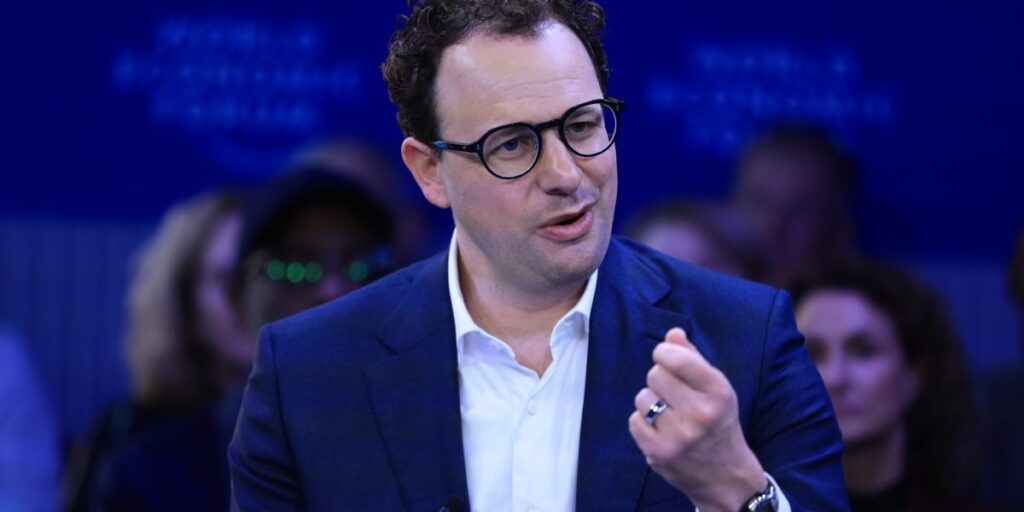
Dario Amodei admits AI suffers from a crisis of trust, saying people worry companies or governments are ‘cooking up some new way to screw them over’
Anthropic cofounder and CEO Dario Amodei resisted the idea that he is the root cause of widespread public anxiety about AI, though he did acknowledge existing trust issues. In an extensive post on X, a platform where he seldom shares his views, Amodei first discussed AI regulation, critiquing the false dilemma between concerns over regulatory capture that centralize power and the argument that decentralizing AI through open models is the best way to control it. He highlighted that institutions such as courts can serve to distribute power more evenly and emphasized that Anthropic supports policies designed to slow down leading AI companies while giving smaller competitors an edge.
Nevertheless, Amodei admitted that AI inherently tends to concentrate power, but he argued that this is due less to regulation and more to fundamental AI scaling laws—the principle that a model’s capabilities improve with greater resource investment. While open-weight models improve the landscape somewhat, they still concentrate power among those with the largest computing resources and chip access. He proposed that the right regulatory framework could simultaneously address AI’s cybersecurity, biological, and alignment risks, restrict the influence of major AI companies, and allow open models with mitigated risks. Amodei voiced support for establishing an oversight body similar to FINRA and backed the Trump administration’s approach to AI testing.
Addressing his own public messaging, Amodei denied that his tone had been unduly pessimistic, pointing to essays where he balanced the prospects and dangers of the technology. Yet, he noted that clips on social media often portray his comments as excessively negative for attention-grabbing purposes. Amodei is known for a striking prediction that AI might eliminate 50% of white-collar jobs, though he recently softened his stance by describing AI more as a productivity multiplier than a job destroyer. Similarly, OpenAI CEO Sam Altman has moderated his messaging amid both companies’ moves toward IPOs.
Amodei conceded that public sentiment toward AI is currently negative, identifying this as a major concern but refusing to assign blame to himself or fellow AI leaders. He attributed the issue fundamentally to a crisis of trust, explaining that ordinary people generally distrust corporations, governments, and the tech sector, suspecting ulterior motives. This suspicion has persisted for decades and cannot be overturned by mere marketing efforts; he warned that promises like AI curing cancer are often dismissed as misleading. Instead, Amodei argued that actual breakthroughs—such as genuinely curing cancer—are what will build trust. He conceded that a valid critique of AI companies, including Anthropic, is their failure so far to fulfill the grand promises made to society.
In response, Anthropic aims to bolster trust by delivering tangible progress, particularly in biology and medicine, according to Amodei. He hinted at preliminary signs of potentially transformative outcomes but pledged not to issue empty assurances. Until significant achievements materialize, he committed to candidly confronting AI risks. Amodei concluded that honesty remains the best approach both ethically and for preserving public confidence, suggesting it is at least as effective as, if not more than, ignoring or downplaying the genuine risks people intuitively sense.
